‘The Odyssey’ review
Adapting The Odyssey for modern times; Nolan’s exploration of PTSD and inhumanity.
© Universal Pictures
The Odyssey is one of humanity’s greatest stories, with its central tale of a man’s journey home accompanied by myriad mythological trials. However, the modern text can be a trying read, partly due to the complications of translating an epic oral tradition into 12,000 words, but also because, reading from a 21st Century perspective, Odysseus and the Greek gods are jarringly awful.
Of course, mythology is not history (a fact lost on some of the world’s worst people), and the story remains full of magic, in spite of the lack of relatability to modern times, due to its profound potential to inspire infinite allegory, interpretation, and, crucially (but not originally) for Christopher Nolan, adaptation - just consider The Coen Brothers’ marvelous O Brother, Where Art Thou?
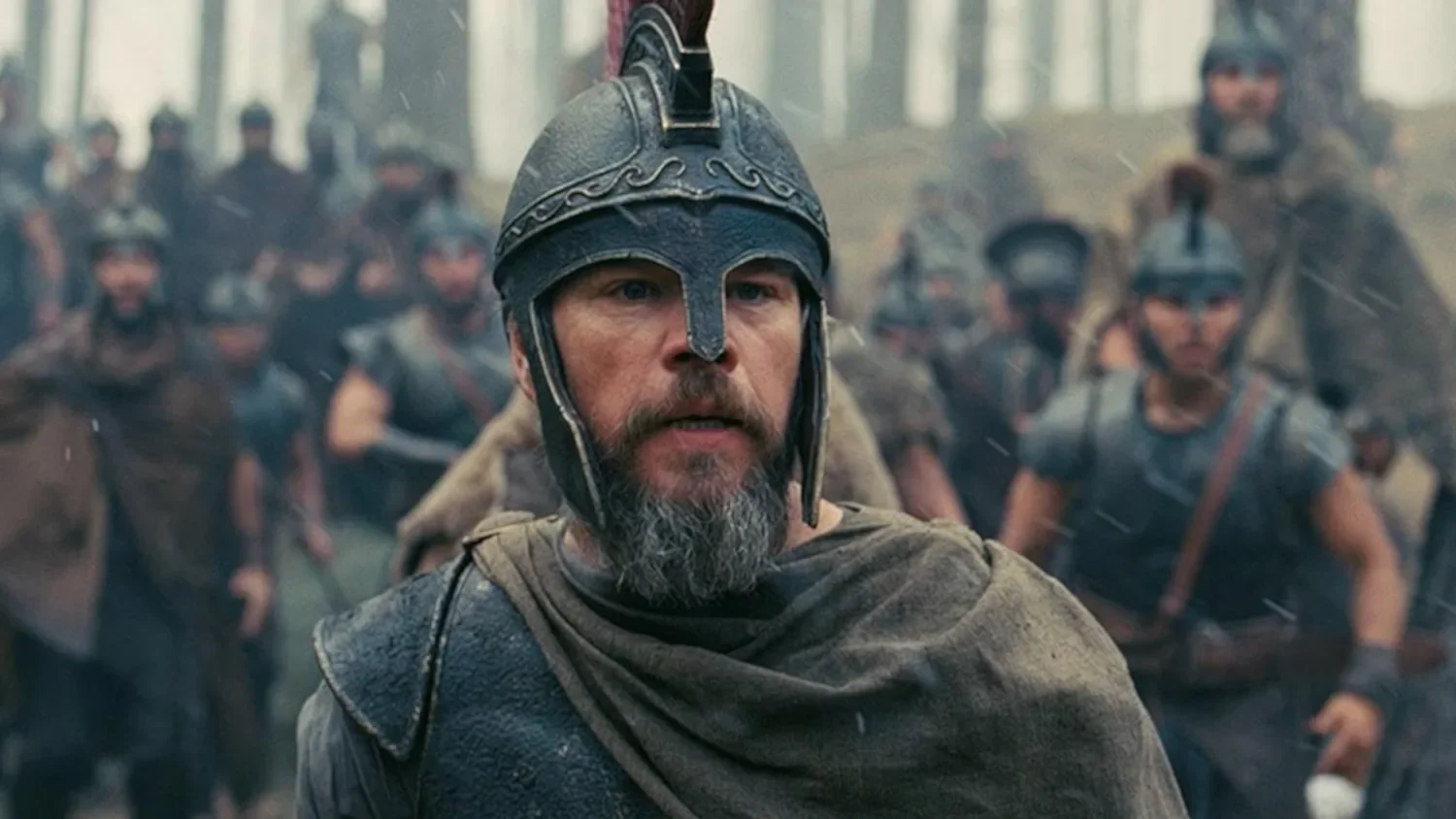
One of Nolan’s defining choices was to make the thematic throughline of this version a thesis already established in literary analysis of The Odyssey: post-traumatic stress disorder. Jonathan Shay’s Odysseus in America maps the eponymous hero’s struggles onto aspects of PTSD, such as survivor’s guilt and difficulty to reintegrate. The full reveal of this in the third act of the film is cinematically satisfying and emotionally devastating, heightened by the script’s efforts to tie events to the coming of the Sea Peoples and fall of the Bronze Age.
Many reviews are glowing, and it starts the season as an Oscars frontrunner, but both non-fans of the director and historians of Ancient Greece have a high likelihood of enjoying it less. Such is the enigma that is Christopher Nolan and the projects he takes on, particularly the last two, in which he seems to be wrestling with the inhumanity of humanity. He certainly sacrifices none of his style here, leaving his fans in awe and others with familiar complaints of being left cold.
© Universal Pictures
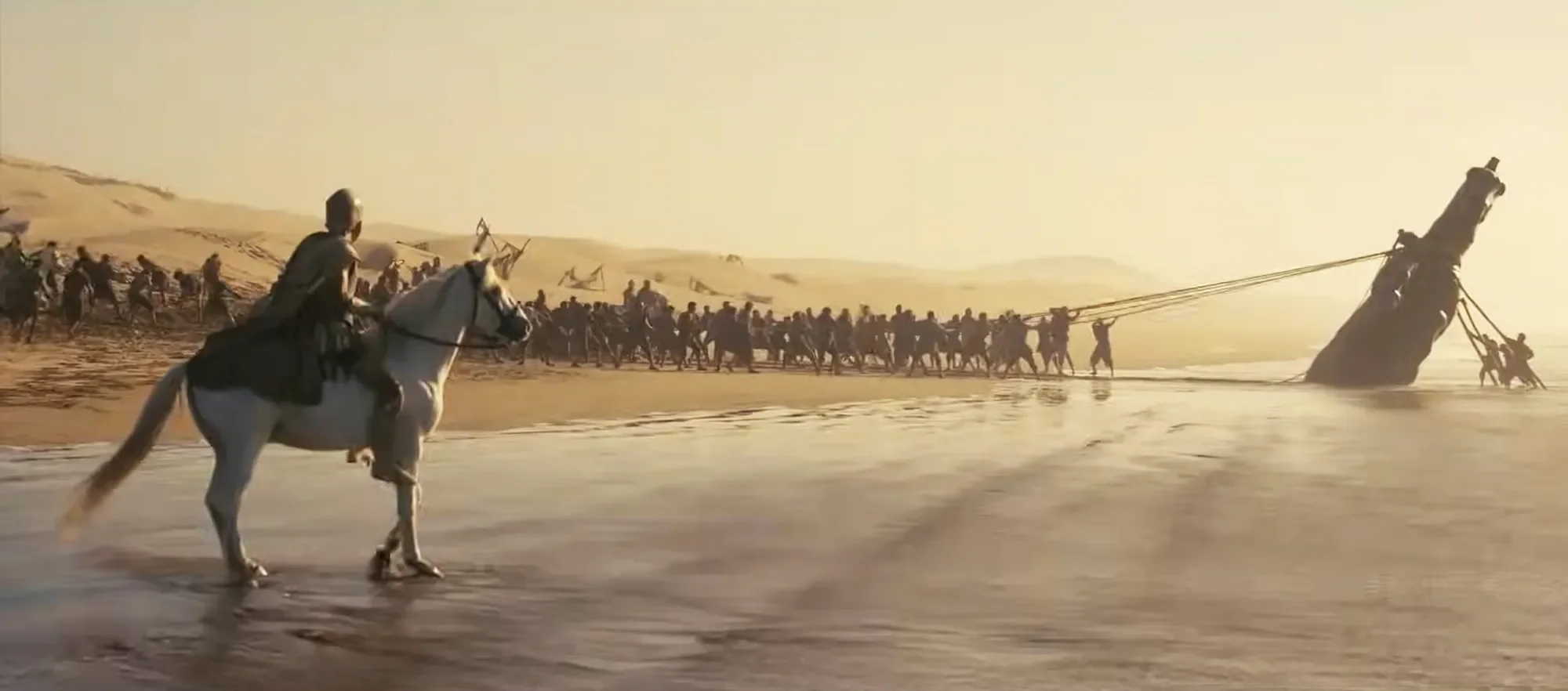
Personally, while completely acknowledging issues taken with the adaptation choices, and to some extent the filmmaking, I think it is a bold and often breathtaking spectacle. How it utilises and portrays the infiltration of Troy, an event so often shown in film already, is Nolan at his best. The scenes around Polyphemus, Circe, and Hades draw on horror brilliantly. Every sequence is electrified by Hoyte van Hoytema (cinematography) and Ludwig Göransson (score), who show again why they are two of the very best in the industry.
I was as sceptical as anyone about Matt Damon as a choice, but I now believe that to be a fine piece of casting. In an ensemble cast, Samantha Morton, Anne Hathaway, John Leguizamo, and Robert Pattinson are among the stand-outs. Tom Holland just about keeps up. The cast’s job is made easier by the exceptional work of costume designer Ellen Mirojnick, although Agamemnon’s (Benny Safdie) Batman-like outfit (and presence) has come in for some criticism.
While it is safe to say that The Odyssey is a frontrunner in many categories, whether it will be an Academy Awards juggernaut at the level of Oppenheimer is up for debate. Oppenheimer won 7 Oscars from 13 nominations, including Best Picture, Best Director, and Best Actor, and The Odyssey certainly could end up with similar numbers, though it has been more divisive, and a sense of Nolan-fatigue, or a gravitation towards other candidates because of Nolan’s recent success, could work against its chances. It is also worth noting that no director has ever won Best Picture with consecutive films – is The Odyssey strong enough to break that precedent?
Rating: 4.5/5
Sam Stokes is a co-host of Academy Watch, where you can hear him answer his own question at the end there by listening to the embed below!